Australian household confidence has taken a sharp turn lower, with the Westpac–Melbourne Institute Consumer Sentiment Index plunging 12.5% in April to 80.1, its steepest monthly fall since the onset of COVID and down from 91.6 in March.
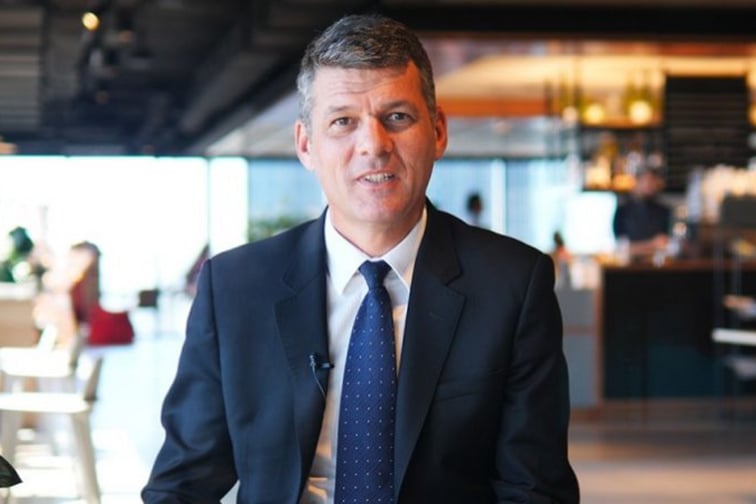
“Australian consumers are being hit by another ‘cost of living’ shock,” Westpac head of Australian macro‑forecasting Matthew Hassan (pictured) said.
The survey points to a combination of spiking fuel prices following the US–Israel war on Iran and a further 25‑basis‑point interest rate rise putting finances under intense pressure and pushing the overall index back towards historical lows last seen during the 2022–24 inflation fight.
Westpac noted that average pump prices hit $2.40/litre in the first week of April, up 37¢ from the time of the March survey and 77¢ compared to early February – the biggest rise in the history of the survey, with the percentage increase comparable to the 50% annual rise during the 1979 oil crisis.
Measures of current conditions weakened the most. The “family finances vs a year ago” sub‑index dropped 16.7% to 66.8, an extremely weak reading. The “time to buy a major household item” gauge fell 15% to 83.3, signalling increased reluctance to commit to big‑ticket purchases.
Households are also bracing for higher borrowing costs. The Westpac–Melbourne Institute Mortgage Rate Expectations Index, which tracks expectations for variable mortgage rates over the next 12 months, rose 3.9% to 177.2 in April, returning to recent cycle highs.
Among those with a view, just over 80% of respondents expect mortgage rates to rise over the coming year, and 40% anticipate an increase of more than one percentage point.
Labour market nerves intensified alongside the rate concerns. The Unemployment Expectations Index jumped 9.7% to 147.8, meaning more consumers now expect joblessness to rise over the year ahead.
“This is the worst read on job expectations since the 163 recorded in August 2020, one of the darkest moments during the COVID pandemic, just before the federal government significantly expanded its JobKeeper policy to prevent widespread job losses,” Hassan said.
Housing‑related readings were mixed. The ‘time to buy a dwelling’ index rose 3.5% to 85.8, a small improvement from March’s cycle low but still well below its long‑run average. Westpac said the latest read is more than 33 points under the long‑run average of 120, underscoring how cautious prospective buyers remain.
At the same time, the Index of House Price Expectations fell 10.2% to 153.5, with the survey noting the cooling was centred on New South Wales and Victoria, where capital city markets Sydney and Melbourne have shown “a clearer slowing and modest price slippage in recent months.”
Separate figures from NAB’s April 2026 Housing Monitor, however, show prices up 9.9% nationwide over the past year, led by Perth, Brisbane, and Darwin, with the national median dwelling value now around $900,000.
Looking ahead, ANZ now expects capital city prices to grow 2.8% in 2026 and 2.1% in 2027, with “the uncertain backdrop and higher rates… likely to soften Australia’s housing market in 2026.”
Get the hottest and freshest property and mortgage news delivered right into your inbox. Subscribe now to our FREE daily newsletter.