Australian mortgage brokers may need to watch for rising distress among self‑employed and SME clients, after new data showed a sharp rise in business-related personal insolvencies at the end of 2025.
According to the Australian Financial Security Authority (AFSA), 344 people who entered personal insolvency in December 2025 were also involved in a business, up from 249 a year earlier – a 38% year-on-year increase.
That December figure has climbed steadily over four years, from 163 in 2022 to 232 in 2023, 249 in 2024 and now 344, pointing to a structural shift rather than a single-month anomaly.
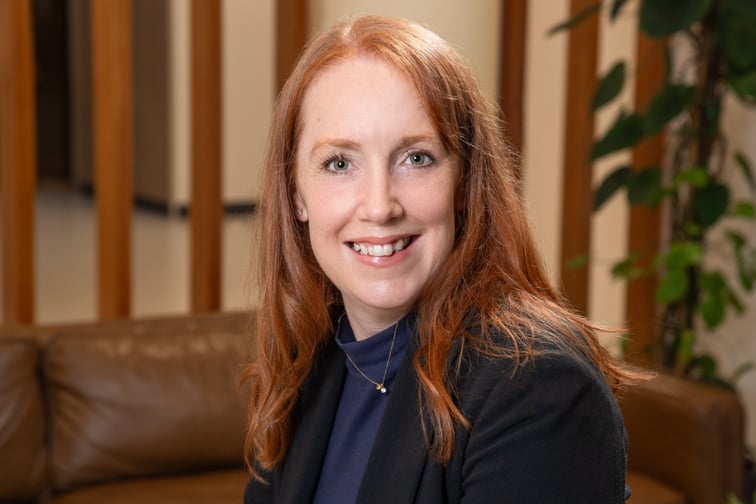
Jirsch Sutherland partner Emma Mos (pictured) says the numbers highlight how long-running pressures are now crystallising into personal financial failure, with significant implications for homeownership, guarantors, and SME borrowers.
“The December figures reflect a broader pattern, with personal insolvency increasingly occurring later in the business distress cycle, rather than as an immediate response to new shocks,” Mos said. “This isn’t about sudden failure. What we’re seeing is the personal impact of prolonged business stress. For many business owners, years of pressure lead to personal insolvency as historic liabilities – including tax debts – materialise.”
The trend is particularly relevant where business owners have secured facilities against the family home or provided personal guarantees. Bankruptcies have risen from 363 cases in December 2022 to 651 in December 2025 and now represent more than 60% of all personal insolvencies, while growth in debt agreements has been more subdued and personal insolvency agreements remain low.
Mos notes that the pattern cuts across sectors including construction, retail, transport, health care, and other services. She points to one current case where a residential construction sole trader expanded into larger projects without incorporating, leaving the owner personally exposed when multiple pressures hit. The fallout escalated from unpaid trade creditors to full personal bankruptcy, putting both the business and the family home at risk.
With AFSA data showing multi-year increases in total personal insolvencies across NSW, Victoria, Queensland, Western Australia, South Australia, and Tasmania, Mos warns that “Once personal exposure intensifies, options narrow quickly,” she said. “Seeking advice early can make a material difference to outcomes.”
For mortgage brokers, that means balancing stronger SME credit appetite with tighter post‑Payday Super cash flows, proactively reviewing self-employed clients, probing emerging cashflow stress and encouraging early specialist advice before personal guarantees and home-secured lending are tested.
Get the hottest and freshest mortgage news delivered right into your inbox. Subscribe now to our FREE daily newsletter.