The instant asset write-off could soon become a permanent fixture in Australia’s upcoming federal budget, a change that will reshape planning for small businesses across the country.
Treasure Jim Chalmers recently revealed proposed plans to make the instant asset write-off a lasting measure in the budget.
"Small business owners can rest easy that this is going to be in the budget," Belinda Raso, director and registered tax agent at Queensland-based Tax Invest Accounting, told Australian Broker. "That will give businesses that actually purchase items certainty every year. They don't need to wait for the instant asset write-off to be announced as part of the budget every year."
The current $20,000 instant tax write-off for small businesses is set to expire 30 June. If the legislation is made permanent, businesses will be able to continue immediately claiming tax deductions on eligible purchases up to $20,000, lowering taxable income for the year, improving cash flow and encouraging ongoing investment across the economy.
The proposal follows a string of short-term extensions to the scheme, which has shaped how businesses time and plan for equipment and asset purchases since the COVID-19 pandemic.
While Chalmers' proposal has not yet passed into legislation, market players, including Raso, say it is likely to proceed.
"The government is trying to increase spending and help small business owners get new equipment and supplies," Raso explained.
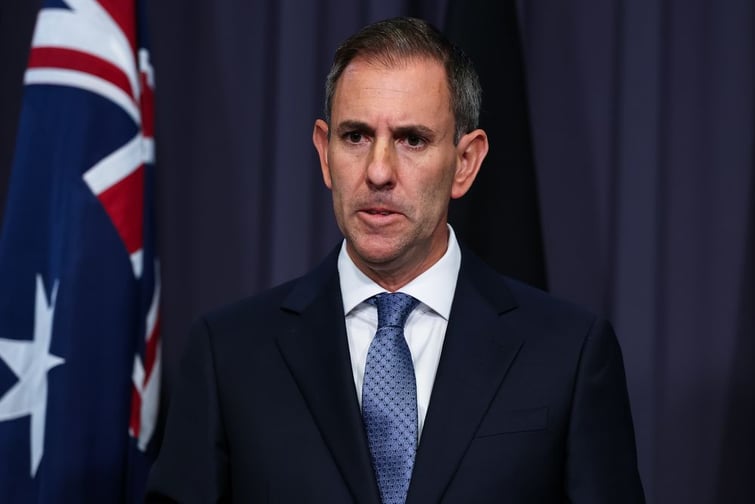
Regarding the instant write-offs, earlier this month Chalmer (pictured above) said: “We’ll save small businesses thousands of dollars by making the instant asset permanent in the budget. This means small businesses will be able to immediately deduct every piece of new equipment worth up to $20,000, from new tech to tools to machinery.”
The instant asset write-off has been in place since 2015, with the rules and thresholds changing over time, at one point reaching as low as $1,000. Currently, the write-off allows small businesses to immediately claim a tax deduction for the full cost of business equipment or assets, up to $20,000 each, instead of deducting a portion each year over the asset’s life.
To qualify, the small businesses total revenue can be no more than $10 million a year. The asset must be first used or installed, and ready for use in the current financial year.
The $20,000 limit applies on a per‑asset basis. Multiple purchases of equipment, vehicles, tools or technology can be claimed in full at the end of the financial year.
Under the new budget, Raso said businesses may soon be required to pay PAYG instalments — or advance income tax payments — to the Australian Taxation Office (ATO) on a monthly basis rather than every three months.
"If the PAYG instalments go monthly, that won't improve businesses cash flow at all," Raso said.
The changes, if implemented, would mean small businesses would pay income tax in smaller, more frequent instalments throughout the year instead of one larger quarterly bill. While this may appear easier to manage on the surface, it could tighten cash flow by reducing the funds businesses have on hand for wages, rent, inventory and reinvestment. Rather than having a buffer between tax payments, businesses would need to continually set aside money and meet ongoing monthly deadlines, limiting flexibility in day-to-day financial management. For many small operators, particularly those with seasonal or inconsistent revenue, this could make budgeting more restrictive and less predictable, rather than easing pressure as intended.
The updated budget arrives amid a backdrop of higher rates, inflation-driven cost pressures and an uncertain economic outlook that continues to impact operations and consumer demand.
But even before conflict in the Middle East drove global oil prices higher — with Australian fuel prices surging more than 32% in March — SMEs were already grappling with rising operating costs, supply chain disruption and mounting pressure on cash flow. Businesses are also preparing for the upcoming Payday Super reforms, which will require superannuation payments to be made with every pay cycle.
At the same time, tightening risk appetite among traditional lenders has widened the funding gap, even as demand for small business lending continues to gain traction across Australia, with increased numbers of small businesses seeking capital to expand, whether that be through hiring new staff, upgrading equipment, moving offices or expanding marketing schemes. Together, these changes are creating an increasingly complex lending landscape for both business owners and brokers to navigate.
The treasurer will deliver the 2026-2027 budget on 12 May at 7:30 p.m. AEDT.